سَرِيَّة سيف البحر .. أول سَرِيَّة في الإسلام
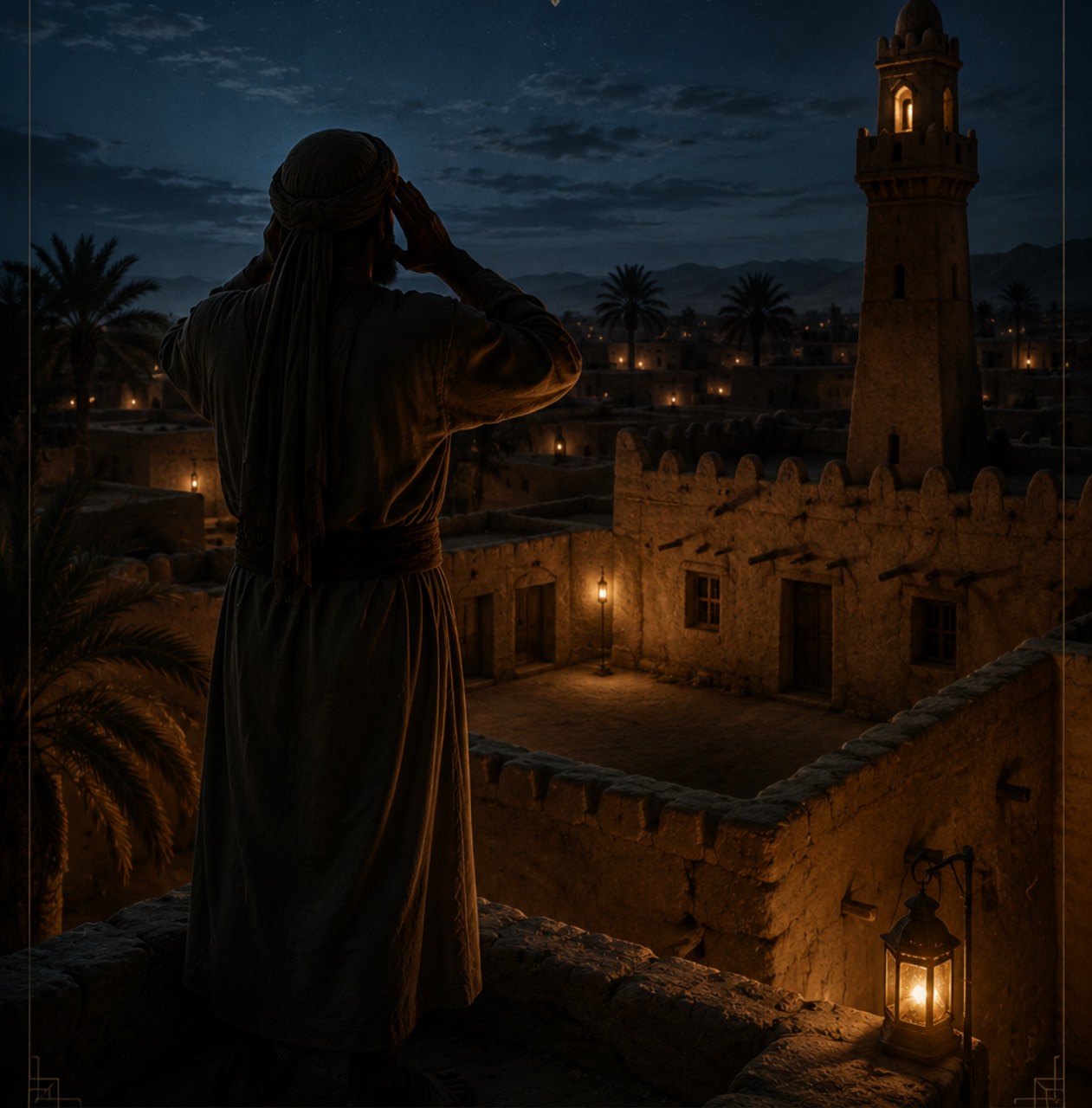
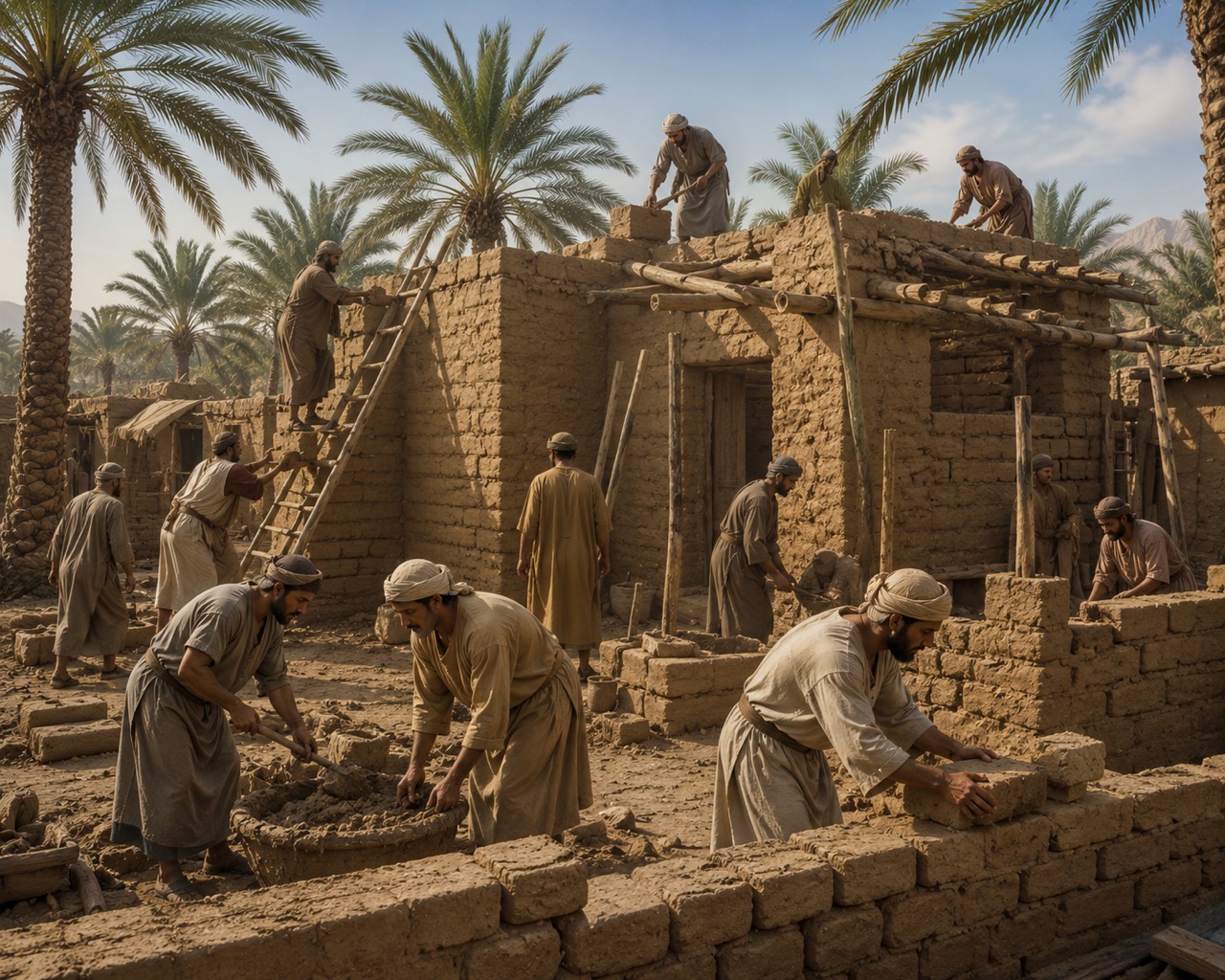
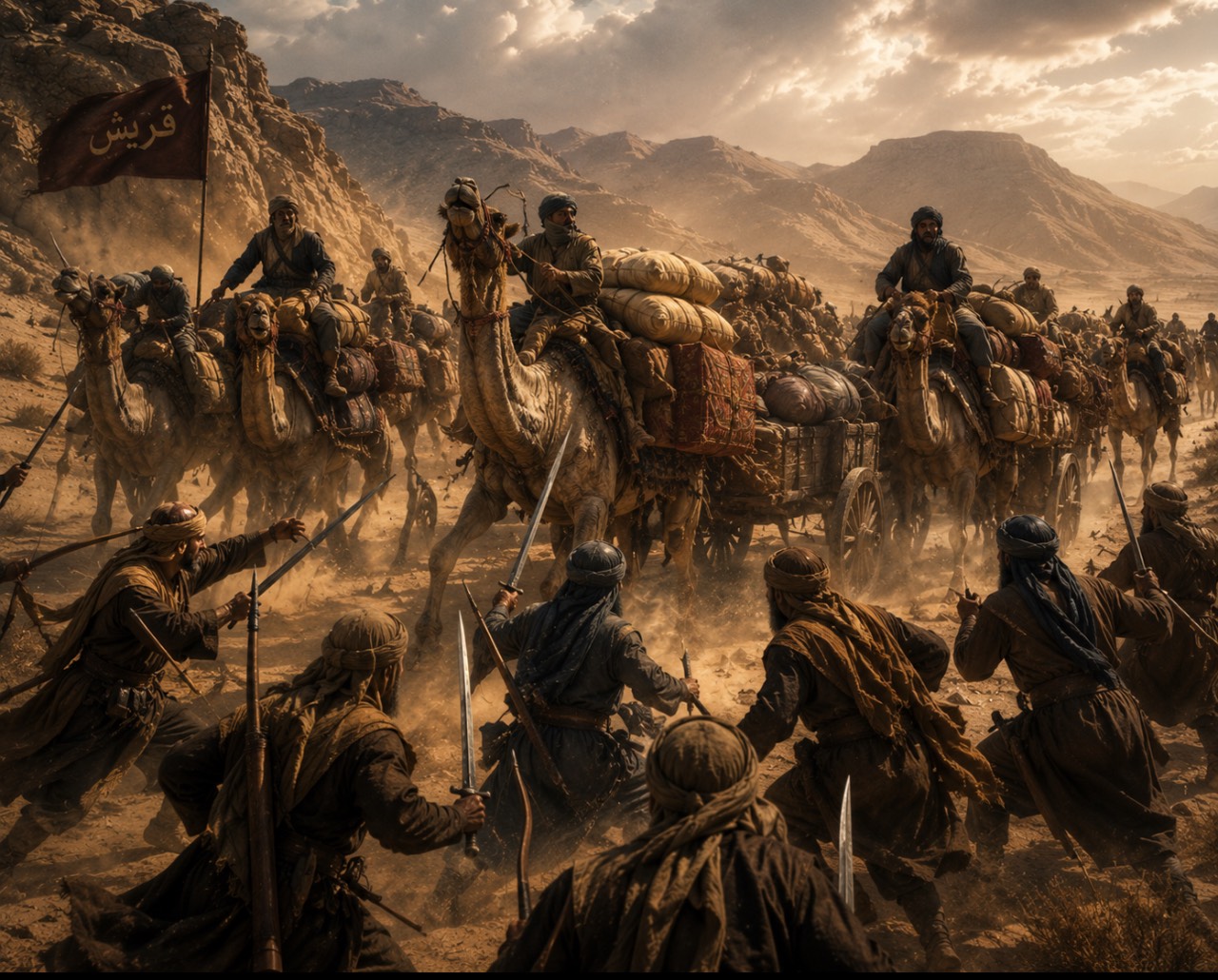
لمّا انزل الله عزوجل ، الإذن بالقتال الصحابة لم يقاتلوا بعد ، وقريش لم تخرج لهم بجيش فَشَرَّع صلى الله عليه وسلم ، ما يُعْرف بلغة عصرنا المناورات منذ أن نزلت الآية، أخذ يَتَجَهّز أصحاب الرسول عليه السلام، وقبل أن يخوضوا المعركة الأولى بعد بضعة أشهر، أرسل عليه السلام أول سَرِيَّة في رمضان ، ولم يكن الصيام مفروضًا عليهم بعد ( كان الشهر إسمه رمضان ولكن لا يُعرف بشريعة الصيام بعد) فإختار صلى الله عليه وسلم عمه حمزة بن عبد المطلب ..،وعقد له لواء …وبعث معه ٣٠ رجل كلهم من المهاجرين أصحاب الحقوق .. الذين قُتلوا .. الذين أُخْرِجوا.. الذين يجب أن يخوضوا المعارك فأرسلهم ليعترضوا قافلة التجارة لقريش ولكن الله عزوجل قَدَّر غير ذلك ..فجعل هذه السرية ميدان تدريبي لهم وصل حمزة رضي الله عنه إلى منطقة سيف البحر ليعترض تجارة قريش كانت تجارة قريش في الصيف يأتون بلاد الشام ، اما في الشتاء يأتون اليمن لأن بلاد الشام في الشتاء تكون عليهم صعبة لأنها باردة ، فيأتون اليمن في الشتاء لأنها أقرب إليهم اعترض المهاجرين قافلة قريش لأنّها اخذت أموالهم واملاكهم ، واموال الصحابة ، وكانت موحودة بهذه التجارة كانت تجارة قريش آمنة لا يعترضها أحد من العرب ما السبب ؟؟ لأنهم أهل الحرم ، والعرب كلها ستأتي في موسم الحج للحرم فلا بد للعرب جميعا ، أن تكون علاقتهم في قريش طيبة فقرر صلى الله عليه وسلم ، أن يقطع عليهم طريق تجارتهم جزاءً بما كسبوا فأموال المهاجرين أصبحت في أيديهم فأخذ يُجَهِزُ لقطع تجارتهم ، ولا بد لطريق تجارتهم أن يمروا بالمدينة أو أطرافها ، فعقد لواء لعمه حمزة و ٣٠رجل من المهاجرين ليعترضوا تجارة قريش فلما وصلوا كان على رأس القافلة أبو جهل…كان عدد الصحابة ٣٠ رجل …وعدد قريش في حماية القافلة ٣٠٠رجل يعني كل صحابي يجب أن يقابل ١٠ من قريش فلما إصطفّوا للقتال وإستعد الفريقان خرج رجل إسمه مجدي بن عمرو وكان قد إلتقى الفريقان في أرضه .. فوقف وحجز بين الفريقان وأقسم عليهم أن لا يتقاتلوا وقد شعرت قريش بالخوف ، وظنوا أن هذه السرية مُقَدِمَةً لجيش المسلمين وأن عددهم أكبر فقبلوا قريش هذا الرجاء (يقصد رجاء الرجل صاحب الأرض التي التقى الجمعان عليها)…وإنصرف الفريقان من دون أي قتال فكانت السرية الأولى تمرين من الله للمسلمين على القتال… فلما رجعوا المدينة وذكروا ذلك للنبي صلى الله عليه وسلم شكر لمجدي(صاحب الأرض الذي حاول منعهم من القتال) هذا الصنيع وما أن مضى رجب في أوله، حتى عقد صلى الله عليه وسلم في آخره لواء أيضاً لأقرب الناس إليه عبيدة بن الحارث (الحارث بن عبد المطلب) إبن عم النبي عقد له لواء آخر في ٨٠ رجل أيضاً كلهم من المهاجرين وأرسلهم إلى سيف البحر أيضاً يطاردون تجارة لقريش فما أن وصلوا وتراشقوا، وكان أول سهم رُمِيَ في سبيل الله… رماه الصحابي الجليل سعد بن أبي وقاص رضي الله عنه… وقد أصابوا من بعضهم وظنت قريش أيضاً أن عدد المسلمين إنما هو طليعة (بداية او مُقَدِمة) لجيش فهربت قريش وكان على رأس هذه التجارة أبو سفيان وكان عددهم ٢٠٠ رجل ….أمام ٨٠ رجل من المسلمين فهذه السرية أعطت معنويات للمسلمين ومعنويات سليبة في نفوس قريش وشاعت هذه الأخبار على لسان الشعراء من العرب فأصبح الناس يتحدثون أن محمد وأصحابه قد قطعوا تجارة قريش وأنهم هزموهم يوماً من الأيام وهكذا اعْتُبِر صلى الله عليه وسلم مدرسة في إعداد أصحابه لمناورات ميدانية في عام واحد فقط من رجب إلى رجب الثاني، يعني سنة وحدة عقد صلى الله عليه وسلم ٦ ألوية * الفرق بين السَرِيّة و الغزوة: السرية هي كل مجموعة لا يتجاوز عددها من ٢٠٠ إلى ٣٠٠ شخص و يعقد لها النبي صلى الله عليه وسلم لواء ويأمر عليها رجل ….ولا يخرج صلى الله عليه وسلم فيها والغزوة هي إن كان العدد قليل أو كثير وكان على رأسهم النبي صلى الله عليه وسلم ففي عام واحد خرج بنفسه صلى الله عليه وسلم ٣ مرات وعقد لأصحابه لواء ٦مرات المحصلة في عام واحد ٣ غزوات ٦ سرايا = ٩ مواجهات لقريش بعضها وقع فيها التناوش وبعضها تفلت العير (لا قتال فيها) وكان هم النبي صلى الله عليه وسلم أن يظفر بتجارة قريش لا طمع في المال ولكن إضعاف لقريش ، ونصر لأصحابه ، وتعويض لهم عما تركوه كل هذا حدث عندما نزل قوله تعالى {{أذن للذين يقاتلون بأنهم ظلموا }} تدريب وحث من الله على القتال ، وبرمج لهم القتال أن يقاتلوا الذين يقاتلوهم ولا يعتدوا (لا يعتدوا بالقتال على المسالمين الآمنين الذين لم يُقاتِلونهم) ثم حثهم أن يقاتلوا المشركين كافة كما يقاتلونهم كافة ،،، كل ذلك كان بالتدريج المهم فأصبح الجهاد فرض وركن من أركان هذا الدين
The Expedition of Sīf al-Baḥr (The Seashore) — The First Military Expedition in Islam When Allah Almighty revealed the permission to fight, the Companions had not yet engaged in battle, nor had Quraysh marched against them with an army. The Messenger of Allah ﷺ therefore instituted what we would today call military exercises and field maneuvers. From the moment the verse was revealed, the Companions of the Messenger ﷺ began preparing themselves. Before they would enter their first battle a few months later, the Prophet ﷺ dispatched the first military expedition (sariyyah) during the month of Ramadan. At that time, fasting had not yet been prescribed; the month was called Ramadan, but the legislation of fasting had not yet been revealed. The Prophet ﷺ chose his uncle, Ḥamzah ibn ʿAbd al-Muṭṭalib, gave him a banner, and sent him with thirty men, all of them Muhājirūn (Emigrants)— the people whose rights had been taken, whose relatives had been killed, who had been expelled from their homes, and who would be the ones expected to fight these battles. He sent them to intercept a Quraysh trade caravan. However, Allah had decreed otherwise. Rather than becoming a battlefield, this expedition became a training ground for the Muslims. Ḥamzah رضي الله عنه reached the region known as Sīf al-Baḥr (“The Seashore”) to intercept Quraysh’s trade caravan. Quraysh’s merchants traveled to Syria during the summer, while in winter they traveled to Yemen. Syria was difficult during the winter because of the cold, whereas Yemen was closer and more suitable. The Muhājirūn sought to intercept the caravan because it contained wealth that had originally belonged to them—their confiscated property and possessions. Quraysh’s caravans traditionally traveled safely, without interference from the Arabs. Why? Because Quraysh were the custodians of the Sacred Sanctuary (the Kaʿbah), and all the Arab tribes came to Makkah during the pilgrimage season. Maintaining good relations with Quraysh was therefore in everyone’s interest. The Prophet ﷺ decided to cut off their trade routes as a just response to what they had done. The wealth of the Muhājirūn was now in Quraysh’s hands, so he began organizing efforts to disrupt their commerce. Since their trade routes necessarily passed near Madinah, he entrusted a banner to his uncle Ḥamzah and thirty Muhājirūn to intercept a caravan. When they arrived, the caravan was led by Abū Jahl. The Muslims numbered only thirty men. The Quraysh escort numbered three hundred. In practical terms, each Muslim would have faced ten men from Quraysh. The two sides lined up and prepared for battle. At that moment, a man named Majdī ibn ʿAmr emerged. The two groups had met on land belonging to him, so he stood between them and implored both sides not to fight. Quraysh themselves felt uneasy. They suspected that this detachment might merely be the advance force of a much larger Muslim army. As a result, Quraysh accepted Majdī’s request, and both sides withdrew without fighting. Thus, the first expedition became a military exercise through which Allah trained the Muslims for future combat. When they returned to Madinah and informed the Prophet ﷺ, he expressed appreciation for Majdī’s efforts in preventing bloodshed. ⸻ Not long afterward, toward the end of the month of Rajab, the Prophet ﷺ entrusted another banner to one of the people closest to him: ʿUbaydah ibn al-Ḥārith (the son of al-Ḥārith ibn ʿAbd al-Muṭṭalib), the Prophet’s cousin. He gave him a banner and sent him with eighty men, all Muhājirūn, once again toward Sīf al-Baḥr to pursue a Quraysh caravan. When the two groups encountered one another, they exchanged missile fire. It was during this expedition that the first arrow ever shot in the cause of Allah was fired by the noble Companion Saʿd ibn Abī Waqqāṣ رضي الله عنه. Some shots were exchanged, and Quraysh once again assumed that the Muslims represented only the vanguard of a larger army. The Quraysh force, led this time by Abū Sufyān, withdrew. They numbered approximately two hundred men, while the Muslims numbered only eighty. This expedition boosted Muslim morale while at the same time weakening Quraysh’s confidence. News of these events spread through Arabia by way of the poets, who served as the media of their day. People began saying: “Muhammad and his Companions have cut off Quraysh’s trade routes and have already forced them to retreat.” In this way, the Prophet ﷺ demonstrated remarkable wisdom in training his followers through practical field maneuvers and gradual military preparation. ⸻ The Difference Between a Sariyyah and a Ghazwah Sariyyah (Expedition): A military detachment generally numbering no more than two or three hundred men, to which the Prophet ﷺ assigned a commander and a banner, while he himself did not participate. Ghazwah (Campaign): Any military expedition, whether large or small, in which the Prophet ﷺ personally took part. ⸻ Within a single year—from one Rajab to the next—the Prophet ﷺ: * Personally led three campaigns (ghazawāt). * Dispatched six expeditions (sarāyā) under appointed commanders. Total: Nine military encounters involving Quraysh in one year. Some involved limited skirmishes, while in others the caravans escaped without combat. The Prophet’s objective was not wealth or material gain. Rather, he sought: * To weaken Quraysh’s ability to continue their oppression. * To support his Companions. * To compensate the Muhājirūn for what they had been forced to leave behind in Makkah. All of this followed the revelation of Allah’s words: “Permission has been granted to those who are fought because they have been wronged.” This marked the beginning of Allah’s gradual training and preparation of the believers for armed defense. They were instructed to fight those who fought them, while not transgressing against peaceful people who were not fighting them. Thereafter, further commands concerning warfare were revealed gradually. The important point is that the Muslims’ military preparation developed step by step, beginning with permission for self-defense and practical training before the major battles that would follow.