
كبرتُ… قبل أن أعيش
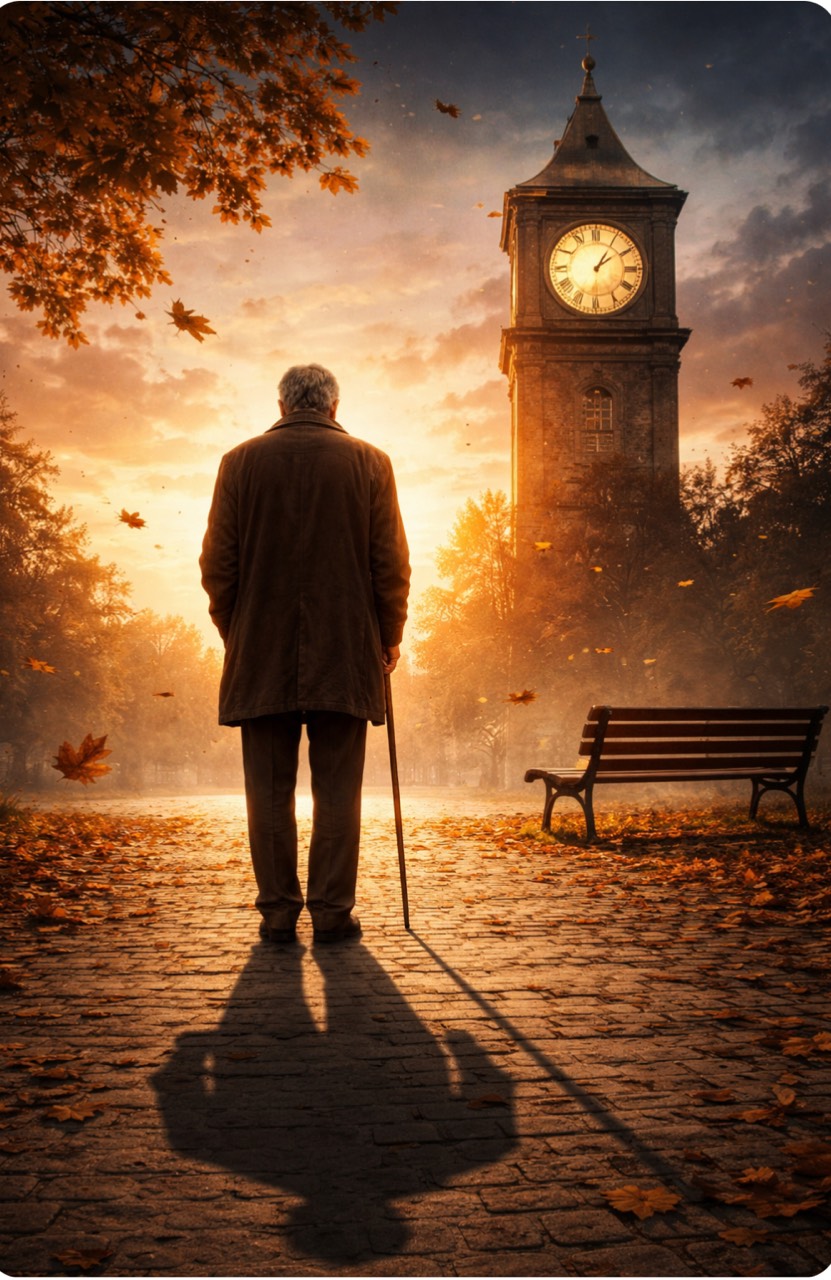
في أحدِ الأحياءِ القديمةِ، كان هناك برجُ ساعةٍ لا يعرفُ أحدٌ مَن بناه، ولا متى بدأ بالعمل. كانت عقاربُه تمضي ببطءٍ غريب؛ أبطأَ من ساعاتِ الناس، لكنّ صوته كان أعلى، كأنّه يذكّر المارّين بشيءٍ لا يريدون سماعه. كان يمرّ من تحته كلَّ صباحٍ رجلٌ في منتصف العمر، يحمل حقيبةً ممتلئةً بالأوراق، وخطواتُه سريعة كأنّه يطارِدُ فكرةً هاربة. كان يعتقد أنّه إن فكّر أكثر، سيُخطئ أقل، وإن خطّط لكلِّ شيء، فلن يفوته شيء. لذلك لم يكن يرفع رأسه نحو البرج، ولا يسمع دقّاته. وعلى مقعدٍ قريبٍ من الساعة، كان يجلس شيخٌ مسنّ، يراقب الناس بصمت، ويبتسم كلّما دقّت الساعة. لم يكن يمسك ساعةً في يده، ولم يكن يبدو عليه القلق. إذا سأله أحد: — أما تخشى أن يضيع وقتك؟ أجاب بهدوء: — الوقت لا يضيع… نحن الذين نمرّ. مرّت السنوات، وتغيّر الشارع، وأُغلِقت محالّ، وفُتِحت أخرى، وسقطت أوراقُ أشجارٍ كثيرة. أمّا الرجل، فقد صار أكثر انشغالًا، وأثقل تفكيرًا، حتى بدأت الأفكار تتشابه في رأسه: خوفٌ من الغد، وندمٌ على الأمس، وضيقٌ من الحاضر. كان يخطّط لكلِّ شيء، لكنّ الأشياء الجميلة كانت تمرّ دون أن تنتظر خططه. في يومٍ غائم، توقّف الرجل تحت برج الساعة للمرّة الأولى. كان شعره قد اشتعل شيبًا، وحقيبته أخفّ، لكن صدره أثقل. نظر إلى العقارب، فبدت له سريعةً فجأة، كأنّها تعوّض ما فاته. التفتَ يبحث عن الشيخ… فلم يجده. وجد مكانه فارغًا، وعلى المقعد ورقةً صغيرة كُتب عليها: «ما أكثر ما نفكّر فنفقد، وما أقلّ ما ننتبه فنندم. الجمال يمرّ خفيفًا، ومن ينتظر اكتمال الخطة لا يراه. ستفهم هذا حين تكبر… لكنّك ستتمنّى لو فهمتَه اليوم.» دقّت الساعة. هذه المرّة سمعها. لكنّه أدرك، متأخّرًا قليلًا، أنّ الصوت كان هناك دائمًا.
I grew older… before I ever lived. In one of the old neighborhoods, there stood a clock tower. No one knew who had built it or when it had first begun to run. Its hands moved in a strangely slow rhythm—slower than people’s watches—yet its chime was louder, as if it were reminding passersby of something they did not wish to hear. Every morning, a middle-aged man would walk beneath it, carrying a briefcase stuffed with papers. His steps were hurried, as though he were chasing a fleeing thought. He believed that the more he thought, the fewer mistakes he would make; that if he planned everything, nothing would slip away. And so, he never lifted his head toward the tower, never truly heard its chime. On a nearby bench sat an old man, quietly observing the crowd. He would smile each time the clock struck. He wore no watch and seemed untouched by worry. If someone asked him, “Aren’t you afraid of wasting your time?” he would calmly reply, “Time is never wasted… we are the ones who pass.” Years went by. The street changed. Shops closed and others opened. Many leaves fell from many trees. The man, however, grew busier, heavier with thought, until his ideas began to blur together: fear of tomorrow, regret for yesterday, discomfort with today. He planned everything, yet beautiful things slipped past him without waiting for his plans. On a cloudy day, the man stopped beneath the clock tower for the first time. His hair had turned gray. His briefcase was lighter, but his chest felt heavier. He looked up at the hands of the clock, and suddenly they seemed fast—as though making up for what he had missed. He turned to look for the old man… but he was gone. In his place, on the bench, lay a small note that read: “The more we think, the more we lose. The less we notice, the more we regret. Beauty passes lightly, and whoever waits for the perfect plan will not see it. You will understand this when you grow older… but you will wish you had understood it today.” The clock chimed. This time, he heard it. But he realized—just a little too late—that the sound had always been there.